
Writing
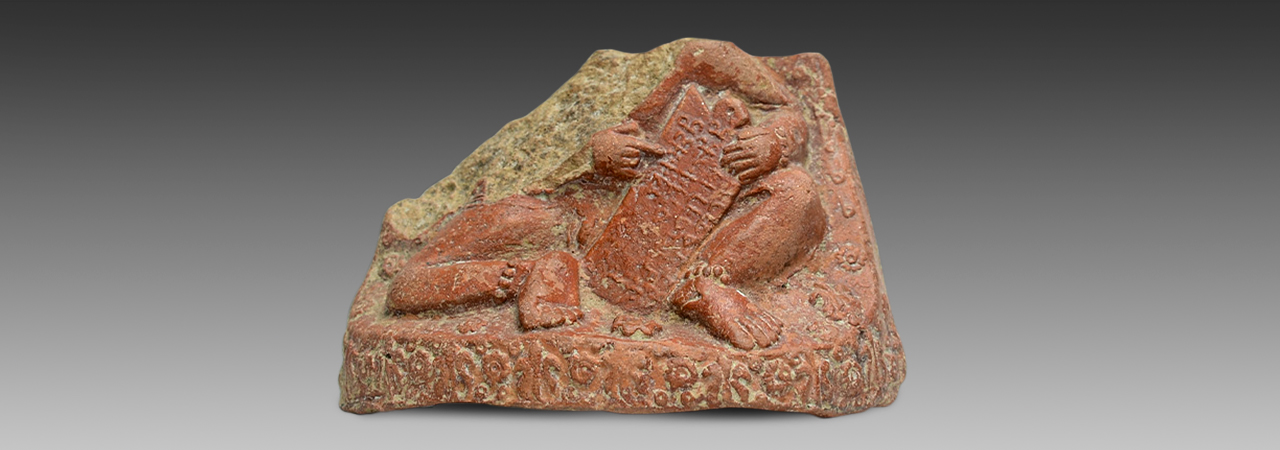
Alongside powerful oral traditions, writing is one of the great inventions of humanity. It began to evolve in different parts of the world about 5500 years ago, from simple symbols into complex scripts. Surviving written records provide a key to understanding ancient civilisations.

Many ancient scripts started as pictograms: images representing objects and actions. Ironically, ‘dot pictograms’ (introduced in 1974) remain the most universally understood form of communication beyond the barrier of language and script.
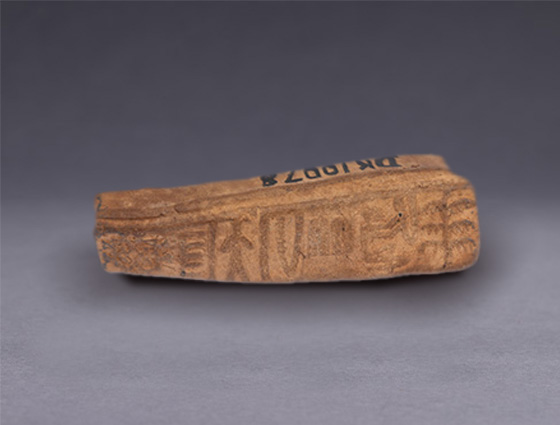
Token to Epic
Writing systems arose independently in early civilisations, likely evolving from counting symbols used for trade and taxation. Cuneiform emerged in Mesopotamia and Iran, while the Harappan script appeared in India by 2700 BCE.
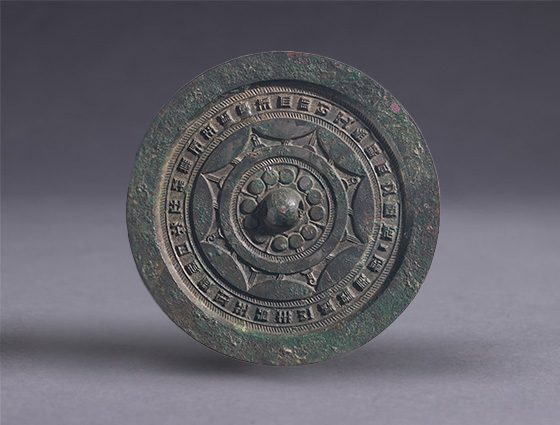
India and China – Language and Society
The Indian subcontinent has long embraced multiple languages, dialects, scripts, and a strong oral tradition. In contrast, China’s political unity was reinforced by a single writing system that transcended spoken dialects. This script, still used today in simplified form, enabled communication across the vast Chinese empire.
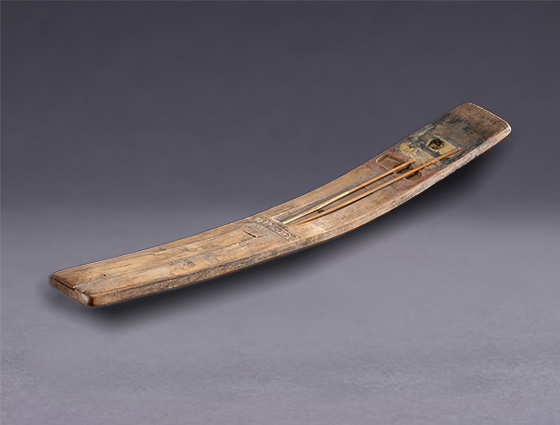
Deciphering Egyptian Hieroglyphs – The Rosetta Stone
Egypt’s hieroglyphic script, both logographic and phonetic, was used for over 3500 years before being lost. In the 1820s, the Rosetta Stone enabled its decipherment. Today, it symbolises how many ancient cultures remain partly unknown due to undeciphered writing systems.
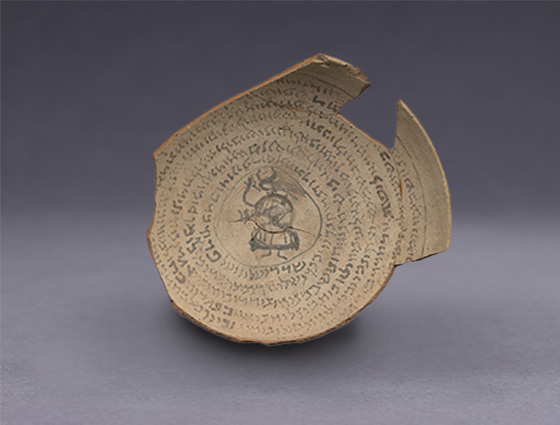
Writing and the Divine
Ancient cultures saw writing as divine, with words believed to heal and protect. Literacy was limited to priest-scribes and elites. Religious ideas were first oral, later codified and spread through texts. Specific gods were honoured as inventors of writing and keepers of sacred knowledge.