Trade, Movement and Exchange
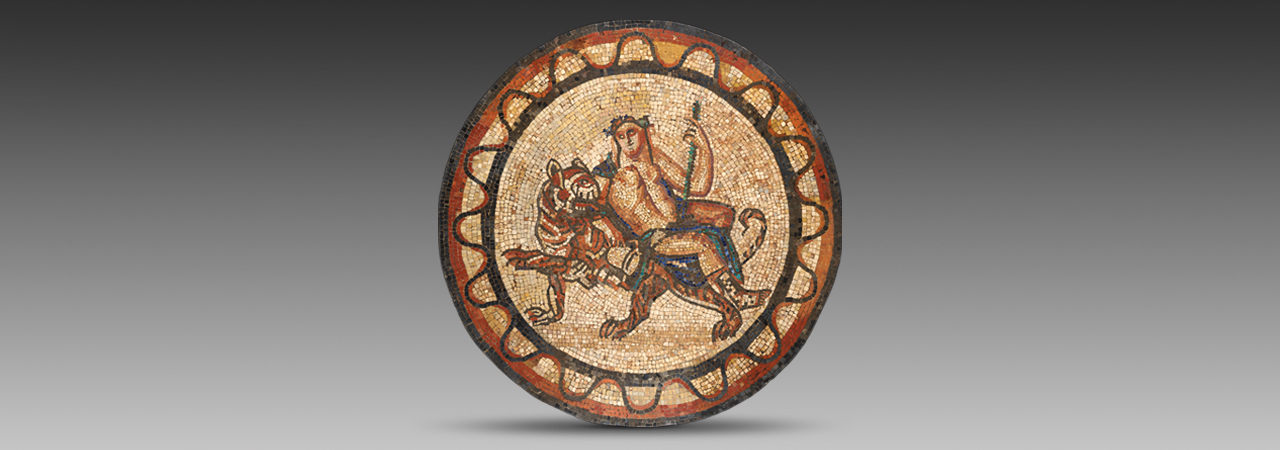
From around the 1st century BCE, India became the centre of extensive maritime trade networks that connected Asia with East Africa, the Mediterranean and northwest Europe. Overland routes through Iran and Afghanistan linked India to Central Asia.
Gemstones, cotton, spices—particularly pepper—and other luxury goods from India and beyond were highly prized throughout the Roman Empire. Gold, silver, oil, and wine travelled in the other direction. Port cities became cosmopolitan centres, where craft skills and coinage, as well as ideas, religious beliefs, and imagery, were exchanged along with goods.
Trade and prosperity were bolstered by the stability of the Satavahana dynasty in India, the Sasanians in Persia, and the Roman Empire in the Mediterranean. Across this vast geographical expanse, learning was nurtured and preserved by religious and merchant communities. On land and sea, faith followed the trade routes.
Indo-Roman Trade
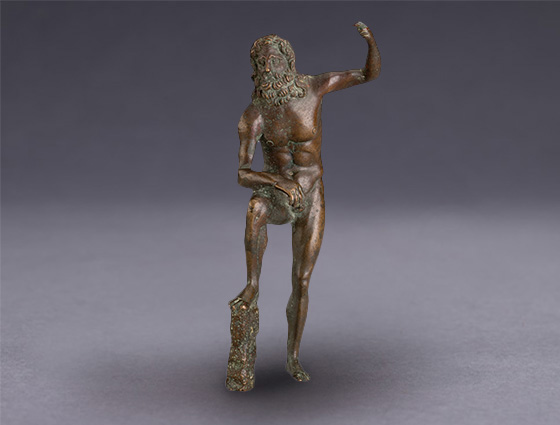
After Rome’s conquest of Egypt in 30 BCE, direct sea trade with India flourished via the Red Sea and Indian Ocean, aided by monsoon winds. India exported spices, ivory, pearls, textiles, and gems, while Rome sent coral, wine, olive oil, glassware, and fish sauce. Rome spent around 50 million sesterces annually on Indian goods, creating a major trade deficit. However, tariffs on these imports helped fund nearly a third of Rome’s military expenses.

Trade Within India
Two major trade routes shaped long-distance commerce in ancient India. The Uttarapatha (northern route) stretched from Afghanistan to Bengal, linking with the Silk Roads and Southeast Asia, and carried goods like elephants, horses, ivory, and gold. The Dakshinapatha (southern route) ran from Uttar Pradesh to coastal Maharashtra and beyond, trading conch-shells, gems, pearls, and diamonds. It connected India to a vast trans-oceanic network reaching the Mediterranean, making the subcontinent a vital hub in global trade.
Across Deserts and Mountains – the ‘Incense’ and ‘Silk’ Roads
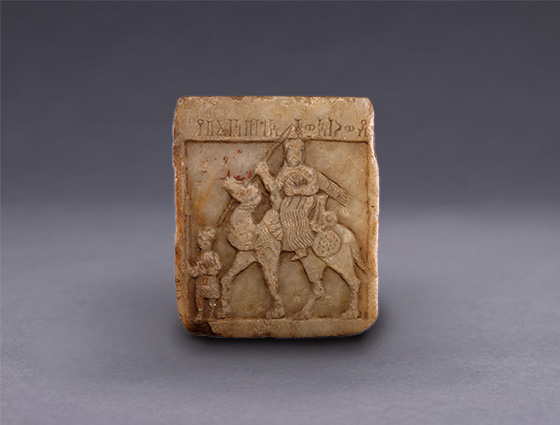
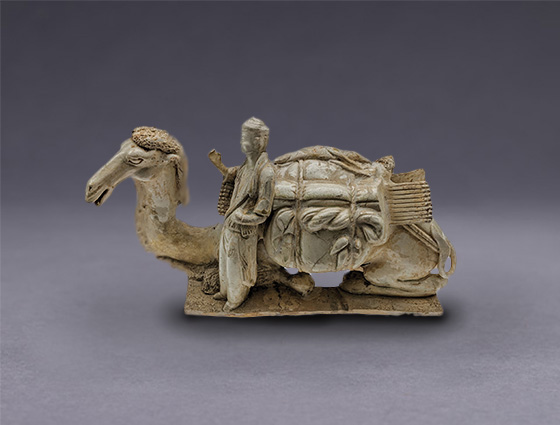
Ancient Yemen and Oman, known as ‘Arabia Felix,’ exported prized myrrh and frankincense used in rituals and perfumes across India and Rome. Camel caravans transported spices, gold, ivory, pearls, and textiles from East Asia, India, and Africa across the Arabian deserts. Further east, the Silk Roads connected Iran and India to China via Central Asia, carrying silk, jade, and other goods. Though less voluminous than sea trade, these routes were vital for exchanging people, ideas, and culture.
Proliferation and Assimilation of Faith
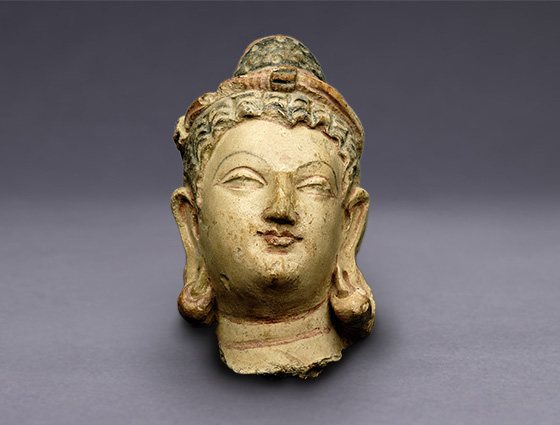
The movement of people for war, trade, or exploration led to the exchange of beliefs and customs. Religion in the ancient world unified societies, legitimised authority, and shaped identities—its legacy endures, especially in India. Buddhism spread from India to Sri Lanka, Southeast Asia, Central Asia, and as far as Egypt. Monasteries emerged along trade routes, linking commerce and faith. Though its core principles remained, each region adapted Buddhism uniquely, reflected in diverse art and architecture.
Byzantium: The New Rome and Its Trade Links
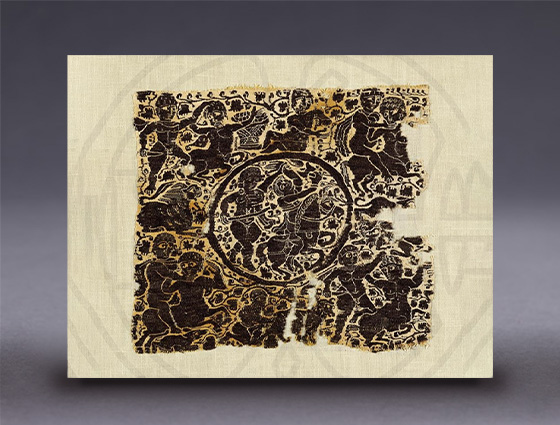
Around 400 CE, northern tribes overran Rome, ending the western Roman Empire. However, the eastern empire, ruled from Constantinople and known as Byzantium, endured for another 1,000 years. Though Christian, it retained strong classical influences. Pagan deities appeared in art and objects alongside Christian imagery. Despite frequent wars with Persia, Byzantium thrived through trade with the Black Sea, Arabia, Central Asia, and India, maintaining its cultural and economic vitality across centuries.