
Mesopotamia, Egypt and China: Great River Civilisations Outside India
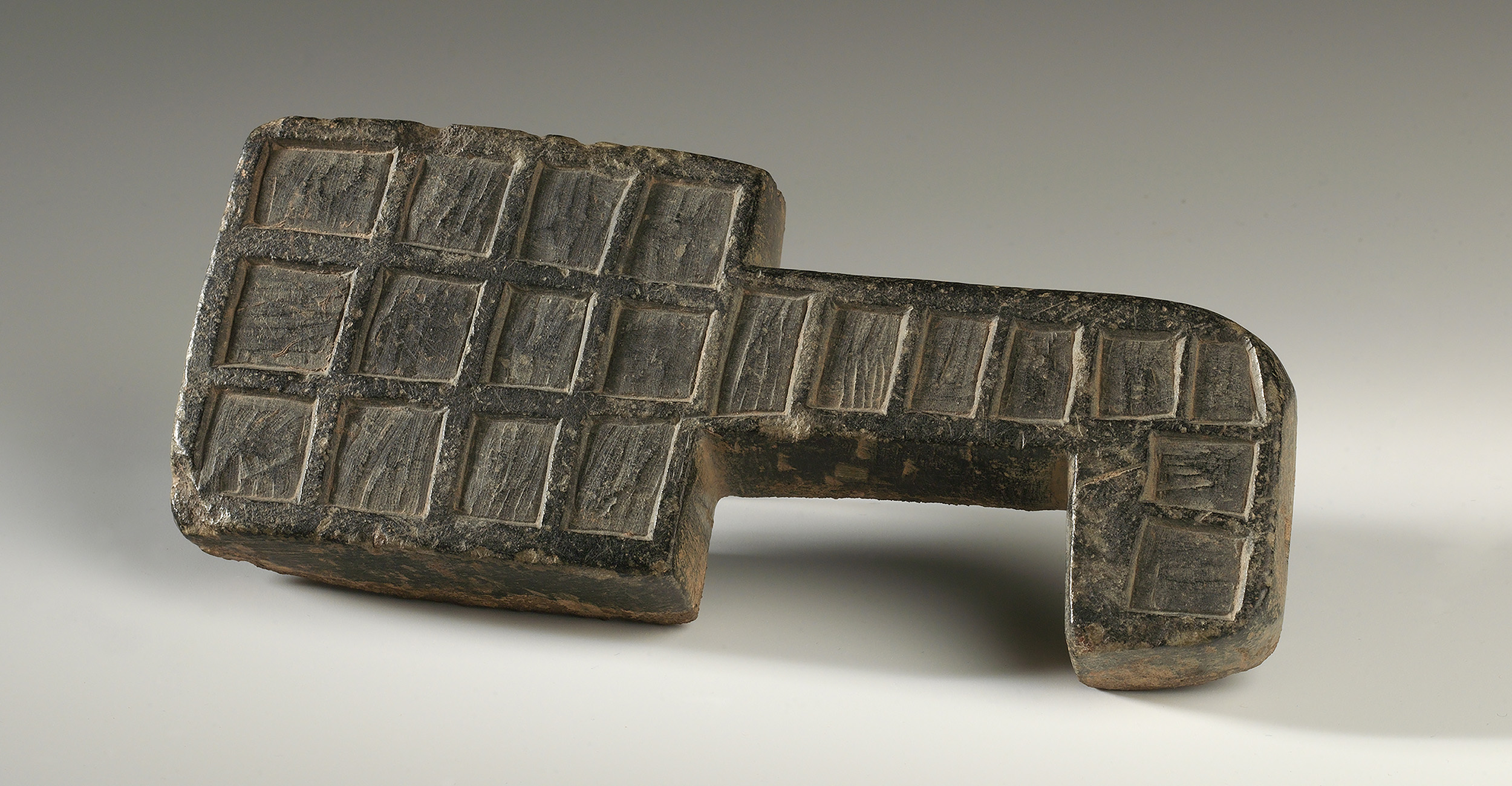
All four river civilisations created complex political and religious systems to manage land, water, people and produce. These enabled ambitious building projects and the formation of large armies. Rulers claimed divine authority: temples and priests were a key part of the state. We know less about how Harappan cities were governed, as the script remains undeciphered.
Political stability and agricultural surplus led to increased production of goods for luxury and leisure, which were then exchanged over long distances by land, river and sea. The mastery of bronze led to great innovations in tools, weapons and ritual vessels. Control of raw materials was often secured by trade or conquest.
Life was short: belief in the afterlife was central.
Goods were often placed in graves to accompany the dead. They tell us how they lived and what they believed.
Most of the objects shown here come from tombs.
Mesopotamia – The Land of the Two Rivers
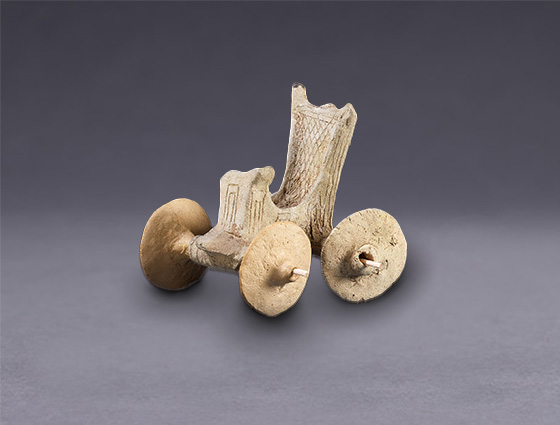
Around 6000 years ago, Mesopotamia thrived between the Euphrates and Tigris rivers, birthing cities like Uruk and Ur. Trade stretched from Egypt to India, and each city had its own deity. The wheel boosted commerce and warfare, leading to empires like Akkad and Babylonia. To keep records, the Mesopotamians devised an elaborate writing system. Their advances in mathematics, astronomy and literature shaped later traditions across the ancient world.


Ancient China: The Great Northern and Southern Rivers
Chinese civilisation began around 5,000 years ago along the Yellow and Yangtze rivers. Millet and rice farming supported population growth. Competing dynasties ruled through centralised administrations and early writing systems. Labour-intensive industries produced luxury goods like jade, bronze, ceramics, and silk—symbols of Chinese identity. In 221 BCE, Qin Shi Huang unified China. Soon after, long-distance trade expanded with Central Asia and India, eventually reaching Europe.

Ancient Egypt – the Land of the Nile
The Nile’s annual floods made Egypt fertile and prosperous. Unified around 3100 BCE under divine Pharaohs, Egypt built stone pyramids and temples using advanced engineering and centralised administration. Hieroglyphs recorded religious and official matters. Egyptians worshipped many gods and practised mummification, valuing bodily preservation. Conquered by Persians, then Greeks under Alexander, Egypt became a Roman province in 30 BCE, linking trade with India. Its civilisation thrived for over 3000 years.