
Ancient Societies
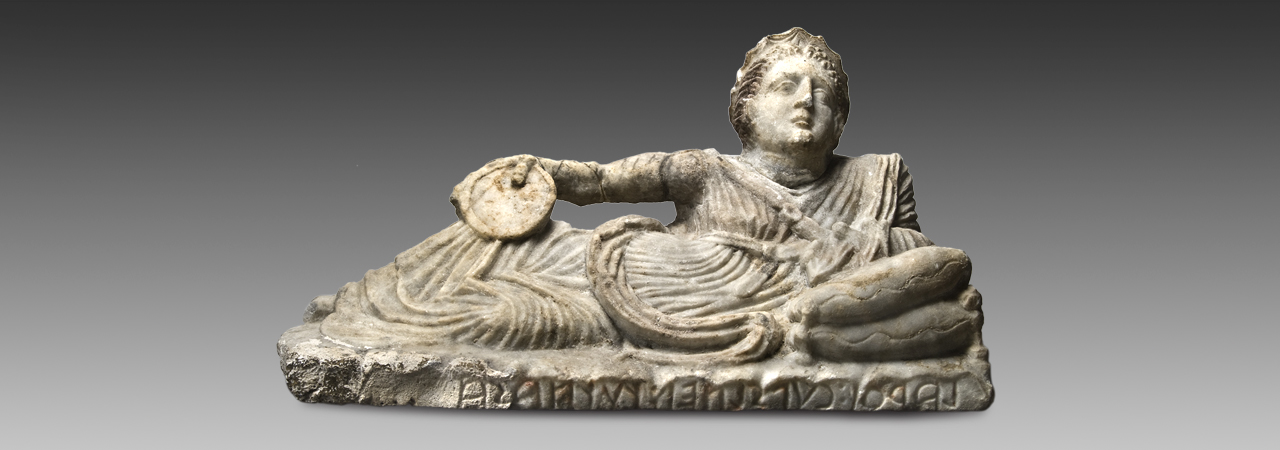
Life in the ancient world was short. Many died in infancy, and few lived to old age. Famine, disease, and violence were constant threats. Women typically gave birth to many children, a necessity for families to endure and populations to remain stable. Every aspect of life, from conception to cremation or burial, was marked by rituals designed to withstand these harsh realities. Numerous objects reflect the affection binding husbands and wives, as well as parents and children. Death did not sever these ties; the dead continued to be part of the community. Some societies burned the dead, while others preserved and buried them. Objects found in tombs reveal how these societies envisioned the afterlife and the enduring connection between the dead and the living.
Gods were invoked to ensure the fertility of women and to protect them and their babies during childbirth. Midwives and wet-nurses provided essential community support. Women could be benefactors, priestesses, or nuns, but were generally excluded from significant public roles. For most women, life centred on the home. Children were expected to work from an early age.
All societies exhibited significant inequalities, with many family households dependent on the labour of servants or slaves.
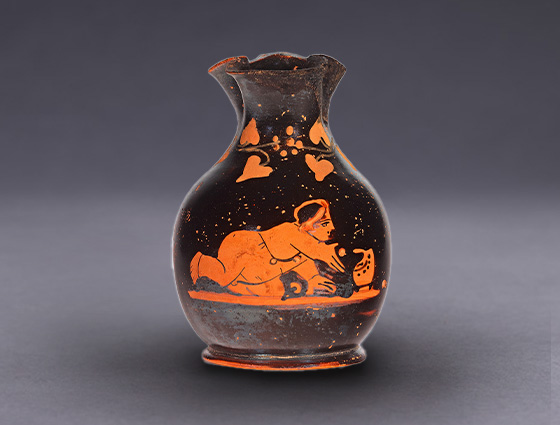
Courtship, Marriage and Family
Across ancient societies, families were the basic unit that provided protection and stability. Here, children learned about beliefs and traditions, social hierarchy and work. Marriage and childbirth were important rites of passage.
Marriages were usually arranged, with husbands considerably older than their wives. ‘Nuclear families’ were rare. High death rates, remarriage, adoption and divorce created extended ‘patch-work’ relationships. As opposed to today, the Roman term familia (Indian kutumb) comprised the entire household, including servants and slaves. Ancestors were commemorated in regular rituals.

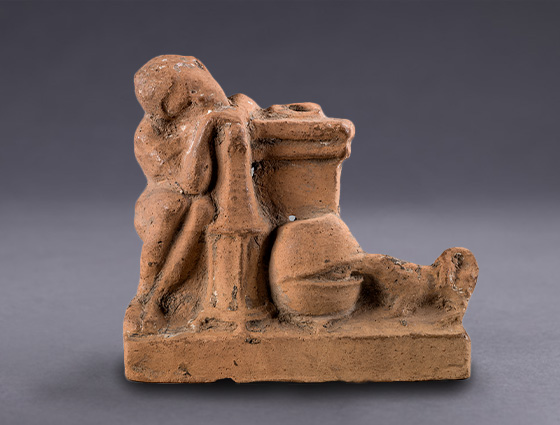
Life in Service
Slavery in the ancient world was widespread, with varied forms and roles across empires, homes, and businesses. People became slaves through war, debt, punishment, birth, or kidnapping. Ethnicity influenced servitude, with traits linked to certain groups, though slaves often shared ethnicity with their masters. Slaves had few rights and were considered property, but roles ranged from hard labor to supervisory positions. Quality of life depended on circumstances and personal ability. Some slaves could earn or buy their freedom.
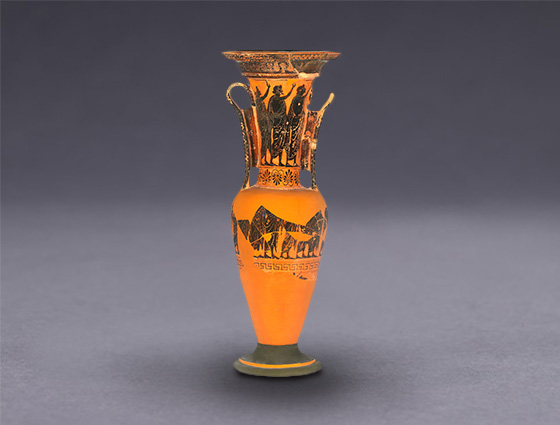
Is Death Really the End?
Ancient societies viewed death as a transition, not an end. Rituals helped the living cope with loss and reflected beliefs in the afterlife or rebirth. Funerary objects reveal personal values and social structures. Practices varied, showing views on the soul, divinity, and ancestry, while also expressing power, wealth, and cultural exchange. These traditions shaped modern observances, linking past and present attitudes toward mortality, remembrance, and spiritual continuity.

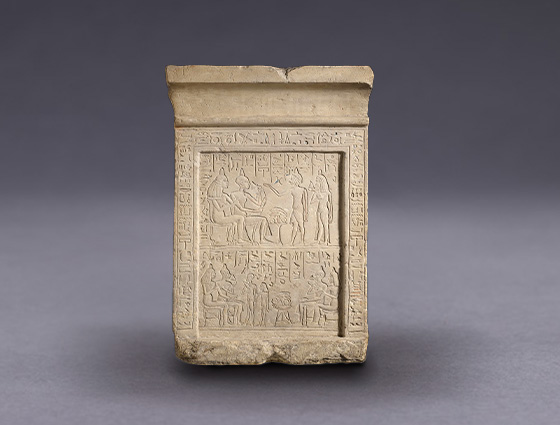
Death in Ancient Egypt – Living Beyond Death
Ancient Egyptians saw death as the start of an eternal journey. They believed the soul lived on in an afterlife resembling earthly life, but entry required surviving a perilous underworld and passing the “weighing of the heart” judgment. Pharaohs and elites were mummified and buried in grand tombs, as the preserved body was essential for the soul’s survival. If the body was destroyed, the spirit risked being lost, making mummification vital to their spiritual beliefs.
Death in Greece and Rome
Greeks believed the soul left as wind for Hades. Bodies were ritually prepared, graves furnished with objects, and immortality sustained by offerings. Families shared burials, from simple graves to tombs, outside cities. The soul’s fate reflected earthly conduct.
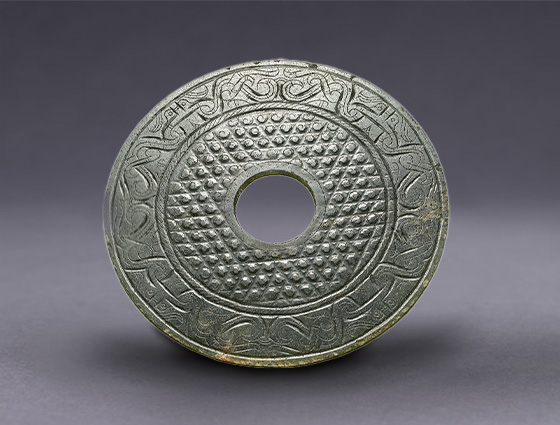
Death in Ancient China – Ancestral Connections
Ancient Chinese beliefs held that the body contained three souls. After death, one faced judgment in the Ten Courts, one remained with the body, and one resided in a funeral tablet on the ancestral altar. Regular offerings of food, drink, and incense at shrines or cemeteries honoured the dead, ensuring their peace and aiding condemned souls. This veneration preserved immortality and prevented unrest among the living by keeping the spirits content and spiritually supported.
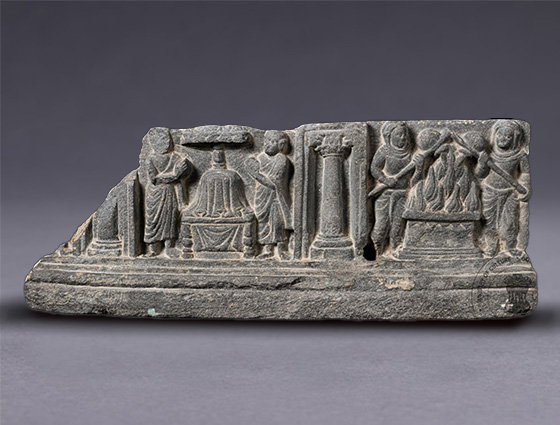
Death in Ancient India – Cyclical Existence
In India, the body is seen as a vessel for the soul’s journey through rebirth. After death, it is cremated, and the ashes are scattered in holy waters, reflecting beliefs in purity and impermanence. Ancestor worship helps the soul ascend, while karma and desire shape its cycle of rebirth until enlightenment. Though cremation dominates, prehistoric Indian cultures practised burials with grave goods, and some early groups even performed sky-burials, revealing diverse funerary traditions across time.