
Agriculture and surplus
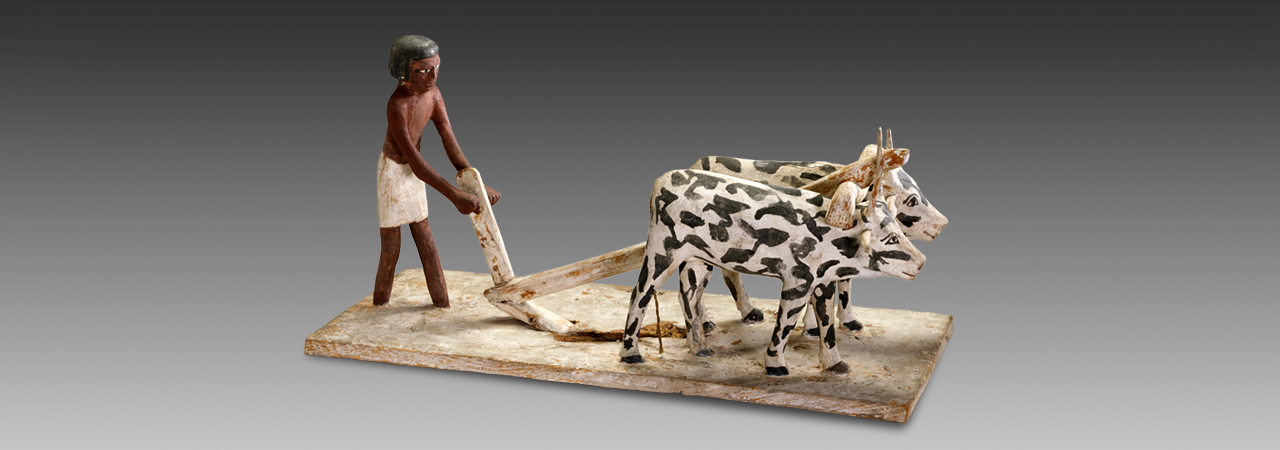
The introduction of the plough in the 4th millennium BCE changed the world: for thousands of years before, people relied on labour-intensive cultivation with sticks and hoes. The plough increased crop production and allowed populations to grow. In India and elsewhere, agriculture became the mainstay, but pastoralism, hunting-gathering and fishing continued.
The domestication of animals such as cattle, pigs, sheep, goats, dogs, and poultry increased the food supply. Ensuring the fertility of soil and livestock was a central preoccupation. Divine help was sought everywhere to achieve this.
Growing populations necessitated centralised management of land, water and food. In river civilisations from India and China to the Fertile Crescent in the Middle East and Egypt in Africa, this in turn led to a new form of governance with city-states and centralised kingdoms. Trade networks expanded and societies diversified into agricultural labourers, craftspeople, merchants, and the elite.
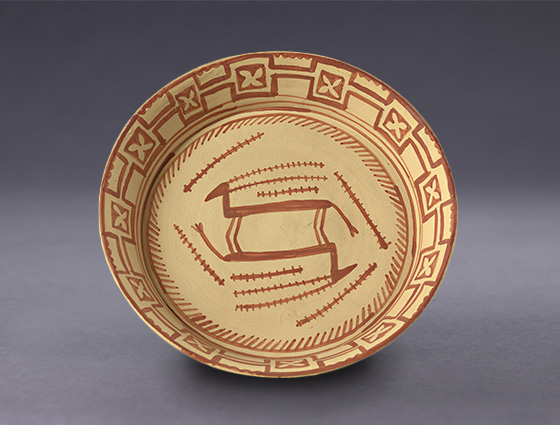
Farming, Food and Surplus
About 6000 years ago, the plough revolutionised farming by increasing crop yields and reducing labour. Agriculture became the main food source, supported by hunting and fishing. Domesticated animals like sheep, goats, and cattle provided food, wool, and leather. Fertility of land, animals, and people was vital for survival, prompting spiritual practices.

Surplus and the Road to City-States
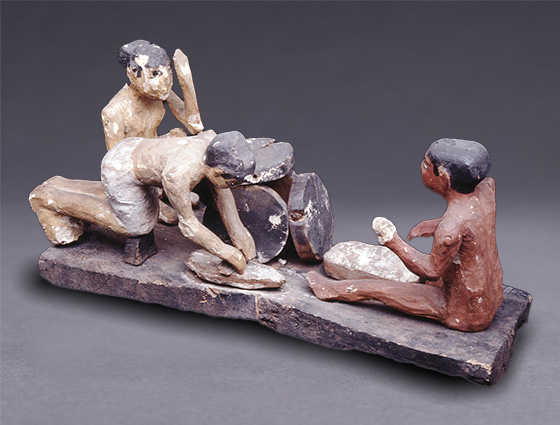
Droughts and poor harvests threatened early farming societies, making grain storage vital. Large clay pots and granaries preserved surplus food and offer lasting archaeological evidence from China to the Mediterranean. Pots also enabled safer, easier cooking. As agriculture supported larger populations, cities emerged along major rivers like those in Mesopotamia, Egypt, India, and China. Managing food production and distribution required organised labour and resource control. This need for administration led to early forms of writing for record-keeping and accounting.