
Partners
Partner Institutions
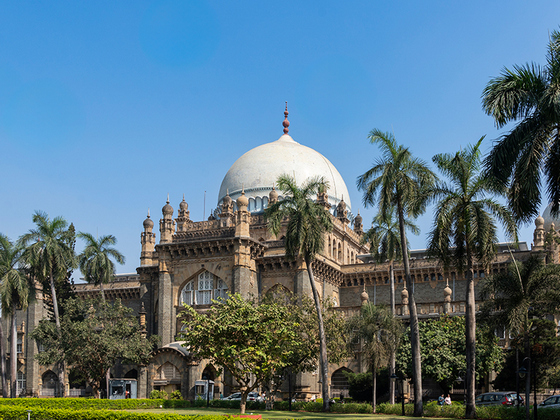
Chhatrapati Shivaji Maharaj Vastu Sangrahalaya
Chhatrapati Shivaji Maharaj Vastu Sangrahalaya, formerly known as the Prince of Wales Museum of Western India, is one of the premier art and history museums in India. It is a not-for-profit organisation established by Act III of 1909 of the Bombay Legislation by the then Bombay Presidency, called the Prince of Wales Museum Act (now known as the Chhatrapati Shivaji Maharaj Vastu Sangrahalaya Act).
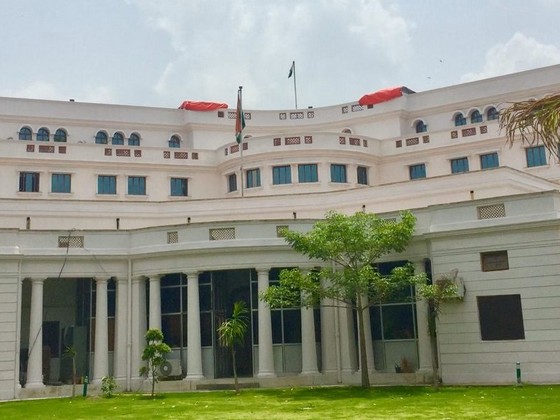
Archaeological Survey of India
The ASI safeguards, researches and manages India’s vast archaeological heritage, overseeing monuments, excavations, conservation and museum collections across the country. Monuments, sites and collections under its care represent thousands of years of cultural history—from early urbanisation to empires, trade and religious networks. This is the second significant partnership between the CSMVS and the Archaeological Survey of India (ASI).
The Directorate of Archaeology and Museums, Government of Maharashtra
The Directorate of Archaeology and Museums, Government of Maharashtra, has been a long-standing partner of CSMVS in the preservation, research and dissemination of cultural heritage. Over the years, the Directorate has supported CSMVS through collaborative museum projects, loans of important objects and shared initiatives that strengthen public access to Maharashtra’s archaeological legacy.
The Directorate and CSMVS have worked together across several museum and heritage strengthening initiatives in the state — through knowledge support, policy alignment, and facilitation of archaeological research access. Their relationship is institutional and ongoing, with shared goals of preservation, conservation, and public education.
The Bihar Museum, Patna
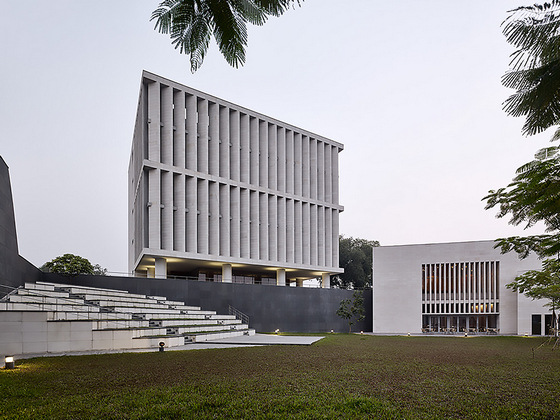
One of CSMVS’ longstanding partners, the Bihar Museum presents Bihar’s layered cultural history—from early urban civilisations to empires, monastic traditions, trade, craft and artistic innovations. Its modern museology prioritises young audiences, learning and public discovery. Through collaboration, exhibition sharing and research, Bihar Museum connects regional heritage into global cultural dialogues.
The British Museum, London
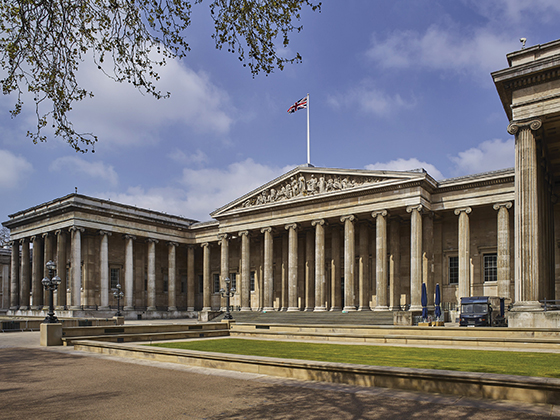
A longstanding partner of the CSMVS, the British Museum houses one of the world’s most significant global collections, spanning two million years of human history. The museum continues to expand its global research, conservation, and interpretation of world heritage through collaborative, multidisciplinary international partnerships. In the CSMVS Ancient World study gallery project, the British Museum has played a significant role as a lending institution, and an intellectual partner in shaping the gallery’s narrative and design.
Staatliche Museen zu Berlin
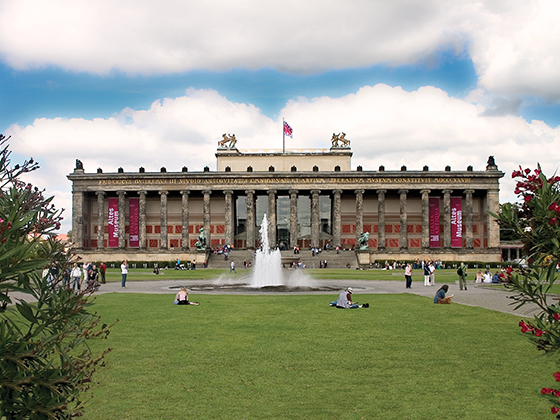
The Staatliche Museen zu Berlin is a group of renowned museums and research institutions dedicated to world cultures, archaeology, art history and heritage sciences in Germany. Its diverse collections reflect millennia of artistic and cultural development. As a global knowledge centre, it advances shared scholarship, international loans, conservation and intercultural dialogue. This will mark the second important partnership between CSMVS and the SMB after the first phase of the Ancient World Gallery in 2023. The SMB is both a significant lender and a co-curator of the gallery.

Museum Rietberg, Zurich
Museum Rietberg is one of Europe’s leading museums with celebrated collections from Asia, Africa, the Americas and Oceania. It emphasises art as cultural knowledge—creating encounters between traditions, histories and belief systems. The museum is recognised for its sensitive curation, humane interpretation and deep international collaborations grounded in respect, equality and research. The CSMVS and Museum Rietberg have undertaken several collaborative initiatives in the past and a majority of the objects representing the culture of ancient China are being borrowed from the Museum Rietberg for the study gallery.
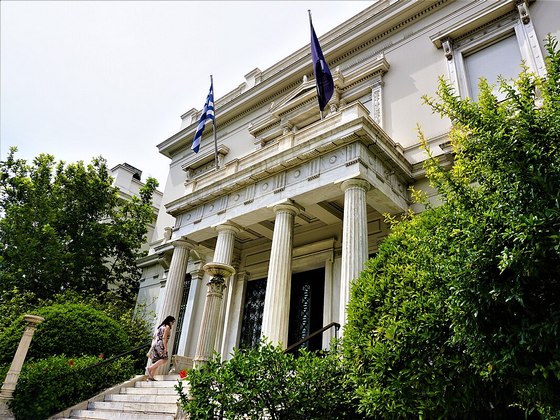
Benaki Museum, Athens
The Benaki Museum holds one of Greece’s most comprehensive cultural collections, connecting ancient, Byzantine, Islamic, European, and contemporary Greek material heritage. Its mandate spans art, architecture, ethnography and cultural memory. By fostering international partnerships and scholarship, the museum situates Greek history as central to wider Mediterranean cultural exchange networks across time. CSMVS and the Benaki Museum have come together as partners to start a new Indo-Greek cultural relationship.
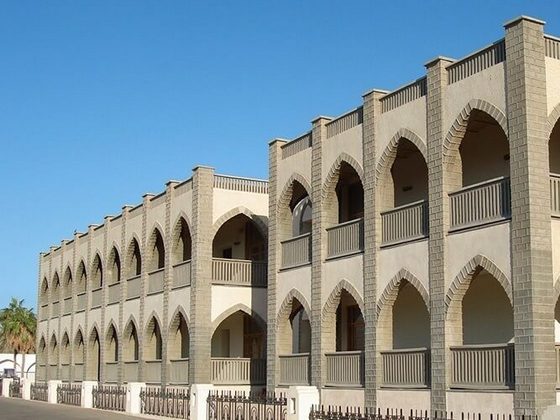
The Al-Sabah Collection, Kuwait
The Al-Sabah Collection is one of the world’s most important, privately held collections of Islamic art, archaeological heritage, ancient metals, jewellery, ivories and rare finds across regions from the Mediterranean to Central Asia. Based at Dar al-Athar al-Islamiyyah in Kuwait, it supports research, exhibitions and scholarly sharing across global museum networks. CSMVS has previously collaborated with the Al-Sabah Collection, Kuwait in the field of conservation, including a joint project undertaken with Dar al-Athar al-Islamiyyah to conserve objects from their collection.
Lending Institutions
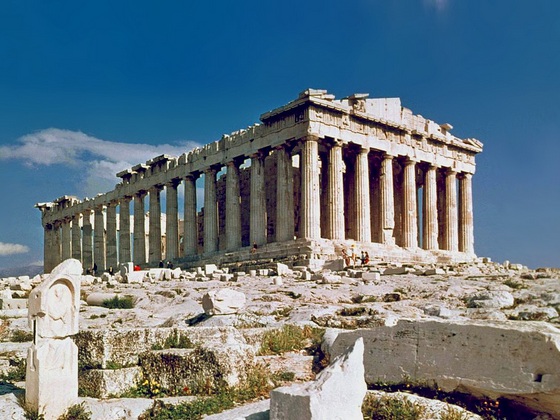
The Ephorate of Antiquities of the City of Athens
The Ephorate of Antiquities of the City of Athens is responsible for the protection, research, conservation and presentation of the archaeological heritage of the historic capital. Through excavation, scientific study and stewardship of monuments, museums and sites, it advances the understanding of Ancient Greece and supports international scholarship and cultural exchange. This will be the first collaboration between CSMVS and the Ephorate to mark a new friendship between the two countries with significantly old histories and connections.
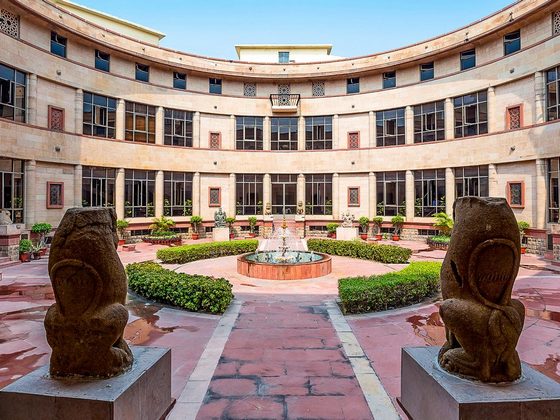
National Museum New Delhi
The National Museum houses one of India’s most comprehensive collections— Harappan Civilisation, ancient sculptures, decorative arts, miniature paintings, textiles, coins and more. Its galleries narrate the subcontinent’s multilayered cultural journeys across belief systems, artistic languages and ideas. The museum plays a central role in scholarship, research, conservation and international collaboration. The CSMVS and the National Museum, New Delhi have collaborated frequently through object loans, exhibition partnerships and knowledge exchange initiatives over many years.
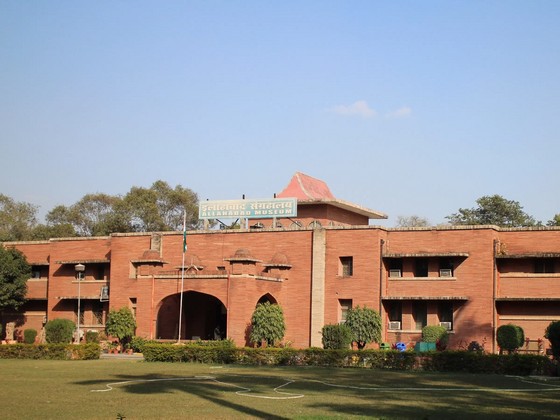
Allahabad Museum, Prayagraj
The Allahabad Museum is renowned for its archaeological, art historical and cultural collections from the Ganga plain and beyond. It houses significant objects across early historic periods, medieval and modern materials. The museum contributes to research, public education and regional heritage understanding—situating North Indian cultural histories within wider civilisational exchange networks.
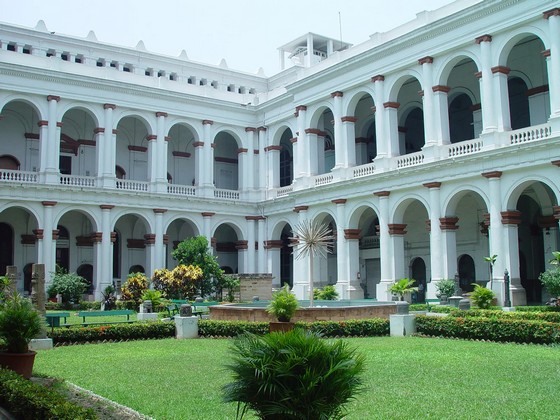
Indian Museum, Kolkata
The Indian Museum, founded 1814, is India’s oldest museum and a major global institution of natural history, archaeology and art. Its collections span early historic materials, sculpture, textiles, manuscripts and ethnography. The museum is foundational to Indian museology, documentation and research—linking past knowledge systems to present public understanding.
Government Museum, Lucknow
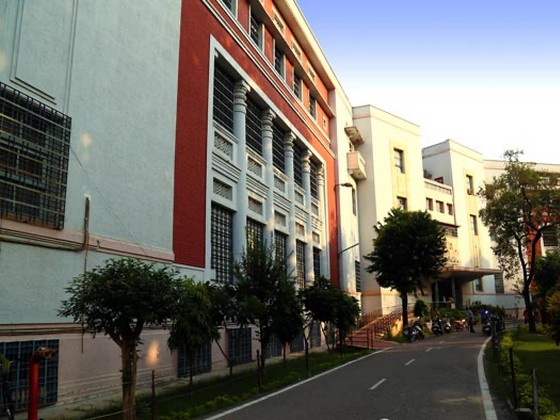
The Government Museum, Lucknow preserves a significant range of archaeological, historical and artistic material from Uttar Pradesh and North India. Its collections include ancient terracotta, sculpture, coins, decorative arts and manuscripts. Through documentation, research, exhibitions and education, the museum connects regional histories to India’s wider cultural development and global heritage conversations.

Government Museum, Mathura
The Government Museum, Mathura is central to understanding ancient art history of the Indian subcontinent—especially its exceptional collection of early Buddhist, Jain and Hindu sculpture. Its holdings reveal Mathura’s significance as a major artistic and cultural centre, shaped by long-distance interaction and religious exchange. The museum remains an essential locus of scholarship.
CSMVS and the Government Museum, Mathura have engaged through loans and scholarly connections, especially in exhibitions involving early Indian sculpture and Buddhist art.
Academic Programme Partners

Supported by