
Harappan Civilisation (Sindhu-Sarasvati/Indus Civilisation)
The Harappan Civilisation, also known as the Sindhu-Sarasvati Civilisation ranks among the world’s earliest and most influential ancient civilisations, alongside Mesopotamia, Egypt, and China. Its discovery pushed the history of the Indian subcontinent back to 5,000 years, revealing an ancient Bronze Age society rich in innovation and enduring cultural legacy.
The Harappans had a thriving trade network. There is evidence of writing, primarily found on seals; however, the Harappan script remains undeciphered to this day, but the seals, a miniature artistic wonder, have a powerful visual language.
This gallery presents key achievements of the Harappan Civilisation—many of which still resonate in modern South Asian life—offering a glimpse into an organised, sophisticated, forward-looking society.

Agriculture and surplus
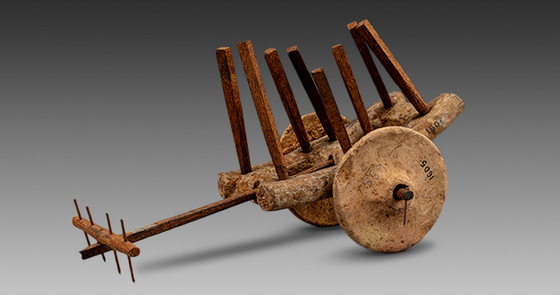
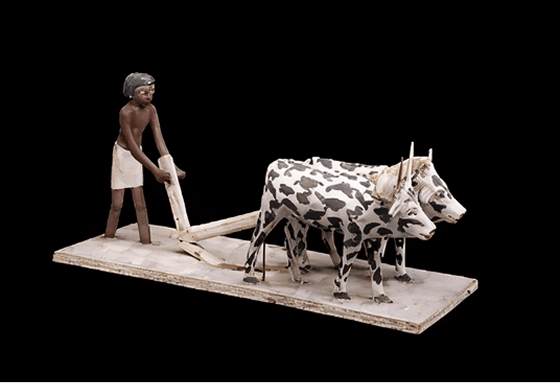
The plough’s introduction in the 4th millennium BCE transformed farming, boosting food production and population growth. Agriculture became dominant, alongside pastoralism, hunting-gathering, and fishing. Domesticated animals further expanded food sources, and societies sought divine help for fertility. Rising populations required centralised control of land and water, leading to city-states, kingdoms, expanding trade networks, and increasingly specialised social groups.
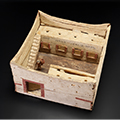
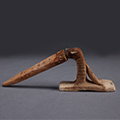
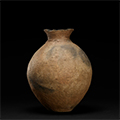
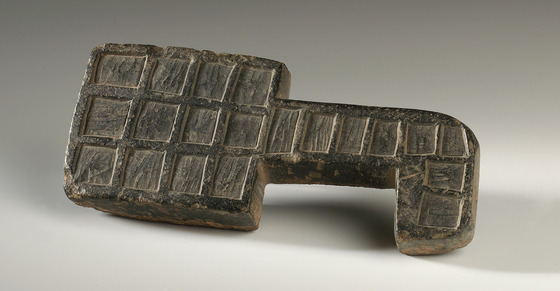
Mesopotamia, Egypt and China: Great River Civilisations Outside India
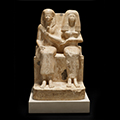
All four river civilisations created complex political and religious systems to manage land, water, people and produce. These enabled ambitious building projects and the formation of large armies. Rulers claimed divine authority: temples and priests were a key part of the state. Political stability and agricultural surplus led to increased production of goods for luxury and leisure, which were then exchanged over long distances by land, river and sea.



Writing
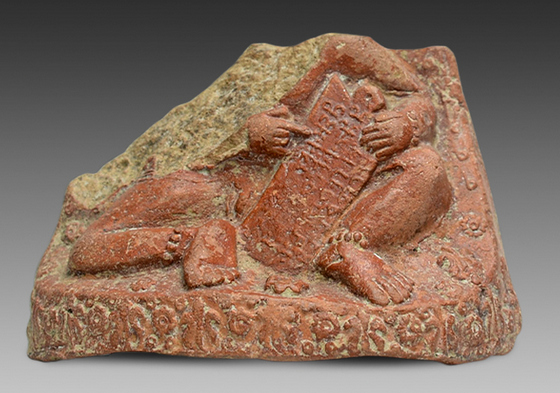
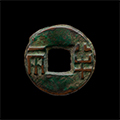
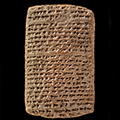
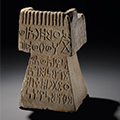
Alongside powerful oral traditions, writing is one of the great inventions of humanity. It began to evolve in different parts of the world about 5500 years ago, from simple symbols into complex scripts. Surviving written records provide a key to understanding ancient civilisations.

The Mediterranean: Civilisations of land and sea
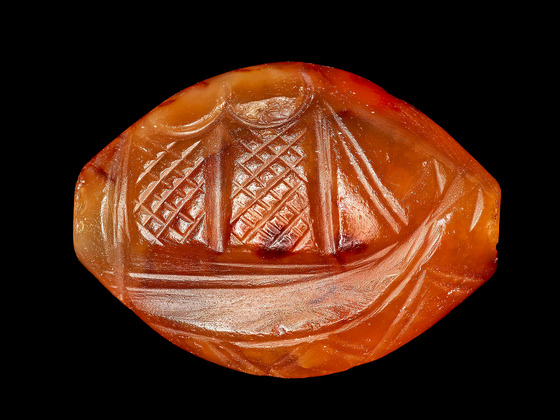
The Mediterranean and Black Seas enabled trade and cultural exchange in a warm, fertile climate. Phoenicians from Lebanon founded colonies, while Minoans and Mycenaeans began Greek traditions. Greek city-states like Athens flourished in arts and democracy. Alexander the Great united Greece and expanded east to India. Rome rose from a city-republic to dominate Italy, Europe, and the Mediterranean. The Roman Empire endured for centuries, with its eastern half surviving until 1453, shaping law, governance, and culture across regions.
Empire: Projecting Power
As city-states evolved into dynastic kingdoms and later expanded into empires, rulers devised various strategies to govern diverse peoples and assert their authority over them.
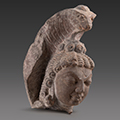
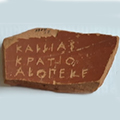
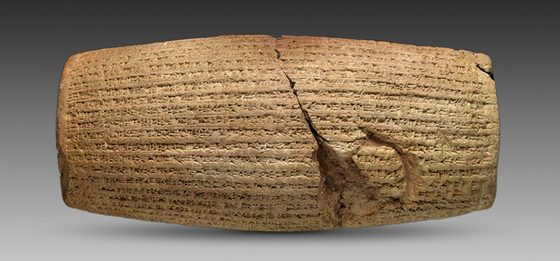
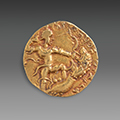
In India, China, and Persia, laws and edicts were carved into stone and rock faces across the territories of the empire. In Egypt, western Asia, and the Greek and Roman worlds, idealised portraits of the ruler were widely disseminated.
Ancient Societies
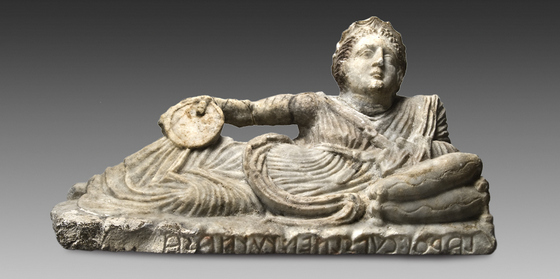
Life in the ancient world was brief and precarious, with high infant mortality, frequent famine, disease, and violence. Families relied on many children to survive, and rituals marked every stage of life and death. Objects reveal close family bonds and the belief that the dead remained part of the community. Whether cremated or buried, people were sent to the afterlife with goods that reflect how different societies imagined life beyond death.


Trade, Movement and Exchange
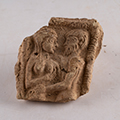
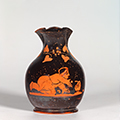
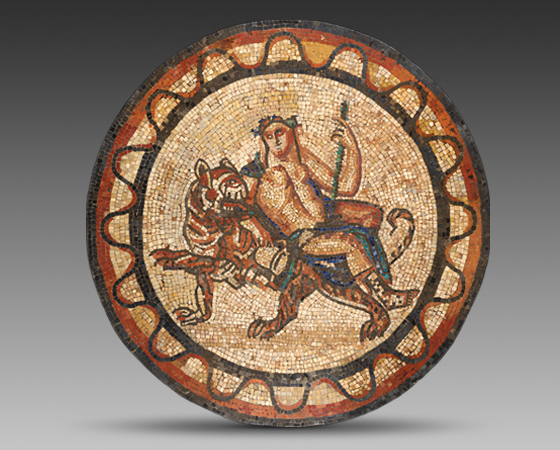
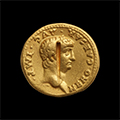
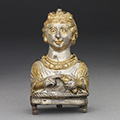
From the 1st century BCE, India was at the heart of vast maritime and overland trade networks linking Asia, East Africa, and the Mediterranean. Indian gemstones, cotton, and spices—especially pepper—were prized in the Roman world, while gold, silver, wine, and oil flowed back. Cosmopolitan port cities exchanged goods, skills, and ideas. Stable powers like the Satavahanas, Sasanians, and Romans enabled this prosperity, with religious and merchant communities carrying learning and faith along these routes.
Two Great Centres of Learning
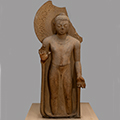
Across the ancient world, trading cities and monastic establishments were often centres for learning and the exchange of knowledge. The most famous were Alexandria in Egypt, and Nalanda in India.
The modern revival of Alexandria and Nalanda stands as a powerful reminder of the importance of preserving, nurturing, and sharing knowledge across generations. In honouring these historic centres, we reaffirm our collective commitment to the pursuit of wisdom and the continuity of human understanding.