
Harappan Civilisation (Sindhu-Sarasvati/Indus Civilisation)
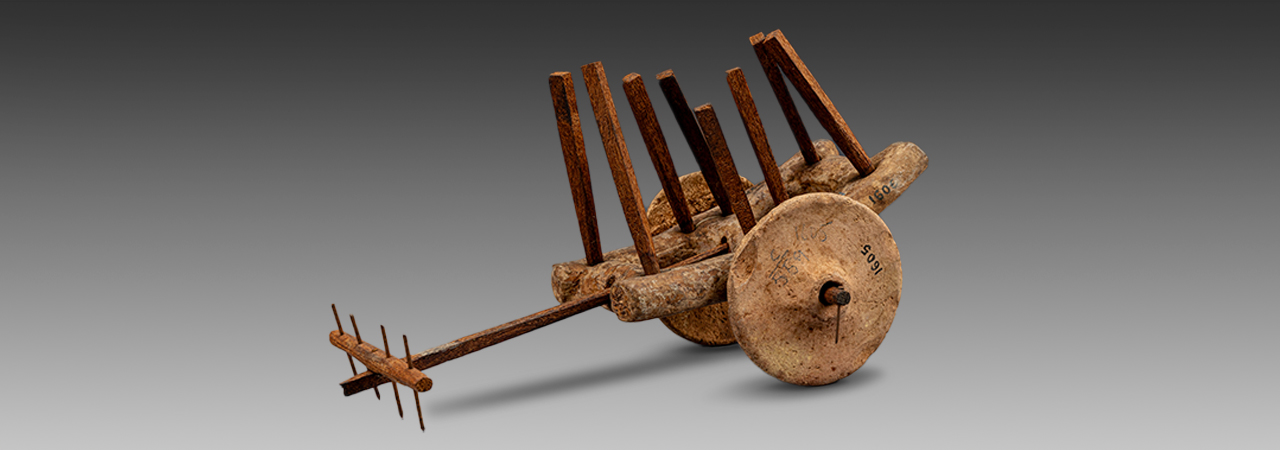
The Harappan Civilisation, also known as the Sindhu-Sarasvati Civilisation ranks among the world’s earliest and most influential ancient civilisations, alongside Mesopotamia, Egypt, and China. Its discovery pushed the history of the Indian subcontinent back to 5,000 years, revealing an ancient Bronze Age society rich in innovation and enduring cultural legacy.
More than 1500 sites have been discovered so far in the Indian subcontinent, and the cities of Dholavira (in Kutch, Gujarat), Rakhigarhi (in Haryana), Kalibangan (in Rajasthan), and Lothal (in Gujarat) in India, and Harappa, Mohenjo-daro and Ganweriwala (in Pakistan), among several others, help us understand the foundations of civilisation in South Asia.
Flourishing along the Indus, the now-lost Sarasvati, and the Ghaggar-Hakra rivers, this civilisation spanned about 680,000 square kilometres—making it the largest civilisation of the ancient world. Over 1,500 cities have been discovered to date across varied landscapes, from river valleys to deserts and coasts, reflecting a rich variety of traditions.
The structures and antiquities unearthed from various sites offer valuable insights into Harappan society – evidence of fortified cities, advanced urban planning, sanitation and water systems, metallurgy, standardisation, dietary practices, arts, and leisure. The Harappans had a thriving trade network. There is evidence of writing, primarily found on seals; however, the Harappan script remains undeciphered to this day, but the seals, a miniature artistic wonder, have a powerful visual language.
This gallery presents key achievements of the Harappan Civilisation—many of which still resonate in modern South Asian life—offering a glimpse into an organised, sophisticated, forward-looking society.
How the Cities Were Built
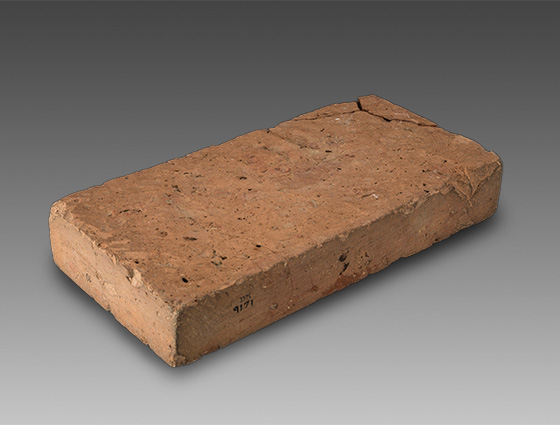
Dholavira in Kutch, Gujarat, along with several others, has been extensively excavated, helping us understand the foundations of civilisation in South Asia. Harappan cities, aligned north–south or east–west, were divided by fortifications into citadels, elite and merchant residences, public spaces, baths, and marketplaces. Buildings used standard bricks (1:2:4) or stone, with houses featuring rooms, baths, and storage, as well as advanced drainage systems. Streets were carefully planned: broad roads for carts linked centres to residences, while narrow lanes connected private homes.

How the Cities Were Fed
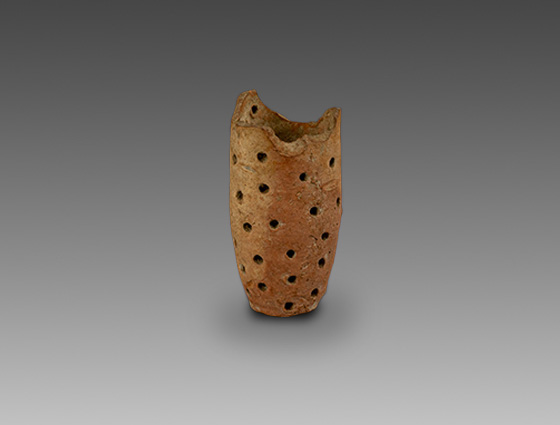
Early food production began simultaneously in different parts of the world. In South Asia, one of the most prominent sites is Mehrgarh in Baluchistan (in present-day Pakistan). Domestication of plants and animals began here nearly 10,000 years ago. Mehrgarh was foundational to the later Harappan Civilisation. In Mature Harappan cities, there were farmers and herders, with hunting and fishing as subsidiary practices.

What the Cities Made
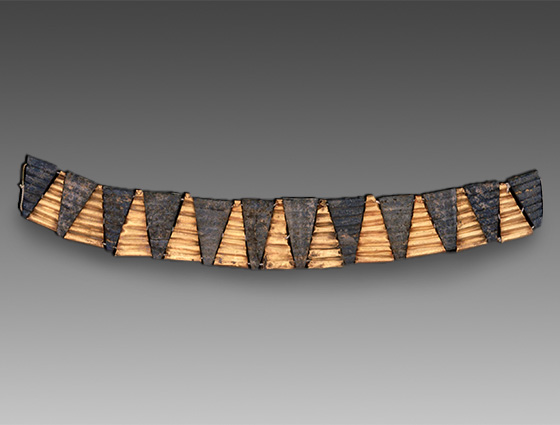
Harappan artisans crafted utilitarian and artistic items like pottery, metal tools, textiles, jewellery, shell work, figurines, toys, and seals. They specialised in stoneware bangles, bead polishing, brick-making, and boat-building, using copper, bronze, gold, and silver. Their work reflected technological skill and cultural values. Raw materials were partly processed in nearby towns and transported to urban centres for final production.
How the Cities Traded
The Harappans traded via land and sea, using carts, boats, and standardised weights. They exchanged food grains, metals, textiles, shells, wood, oil, and carnelian beads, exporting to Mesopotamia through Oman. Lothal’s dockyard and cotton centres like Surkotada supported maritime trade. They sourced gold from Karnataka and Afghanistan, copper from Rajasthan and Oman, and bitumen from Mesopotamia. Mastery of monsoon winds enabled swift sea travel. Harappan traders settled in Oman and Bahrain, linking to Mesopotamia and Central Asia.
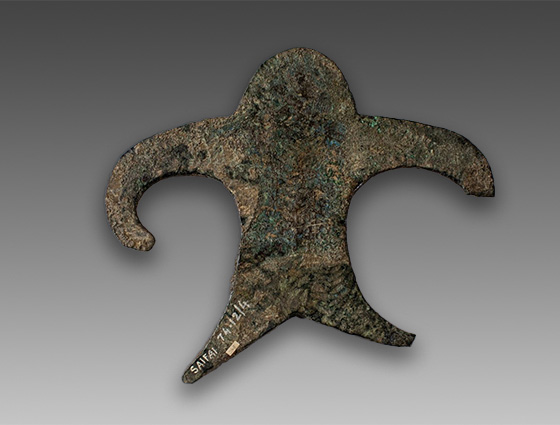
After the Decline of the Harappan Civilisation - c. 1900 - 1000 BCE
As the Harappan Civilisation declined, regional cultures like Jhukar, Cemetery H, Ochre Coloured Pottery, Copper Hoard, Jorwe, and Red-Black Ware emerged. Early Vedic traditions likely began forming. Though urban features vanished, pottery, copper and iron tools, and ornaments continued with similar techniques. Agriculture and belief systems remained largely unchanged. This transitional phase laid the groundwork for future Indian empires.