
Empire: Projecting Power
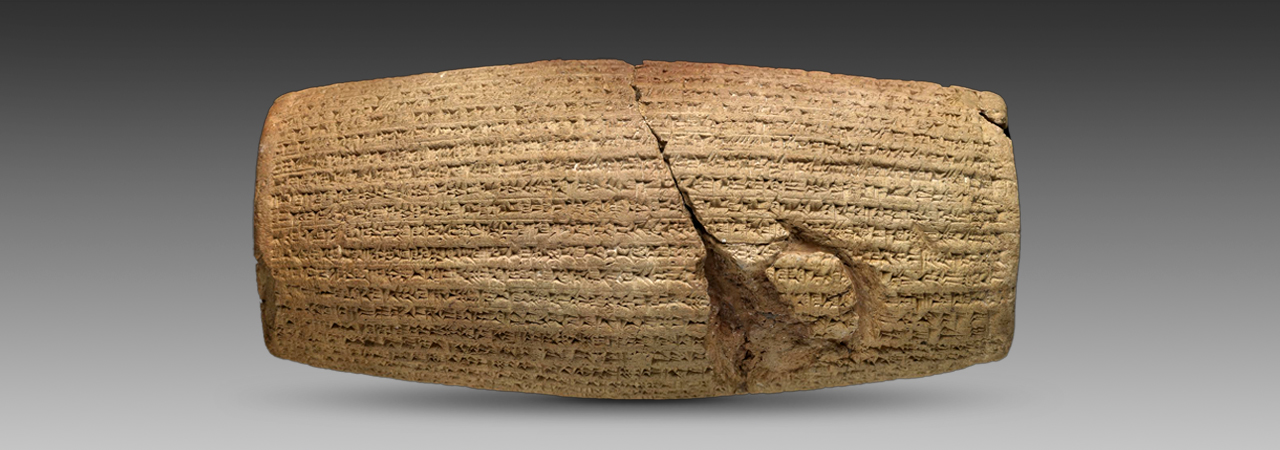
As city-states evolved into dynastic kingdoms and later expanded into empires, rulers devised various strategies to govern diverse peoples and assert their authority over them.
In India, China, and Persia, laws and edicts were carved into stone and rock faces across the territories of the empire. In Egypt, western Asia, and the Greek and Roman worlds, idealised portraits of the ruler were widely disseminated.
Empires are established through conquest and maintained through governance by force. Consequently, rulers must exhibit their capacity to wage war and highlight the advantages it yields as spoils. Alongside warfare, diplomatic exchange and tribute formed the foundation of broader systems of international power relations.
While they endured, settled empires encouraged trade and economic development, enabling the arts, literature, and culture to flourish. However, populations that were conquered frequently faced enslavement or deportation.
In the ancient world, rulers were almost exclusively men who invoked divine authority to legitimise their claims to govern. Many societies worshipped gods of war.
Debates from this period — concerning the administration of large, diverse populations, as seen in Persia or Rome; the ethical exercise of a ruler’s personal power, as discussed in India; and the male citizen democracy of Athens — persist to this day.
How Do We Know Who’s in Charge?
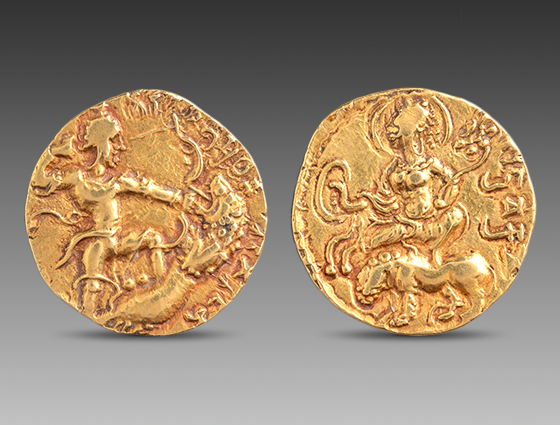
In the ancient world, rulers asserted their authority through portraits—sculpted, painted, or cast in metal—to project power and presence across vast empires. While few survive from India and China, such images were central in Egypt, Mesopotamia, Iran, Greece, and Rome. These portraits often idealised rulers as divine or heroic figures. Coins played a vital role, circulating their likeness and message widely. Successors sometimes defaced earlier portraits to erase rival legacies and reinforce their own rule.

Words After War
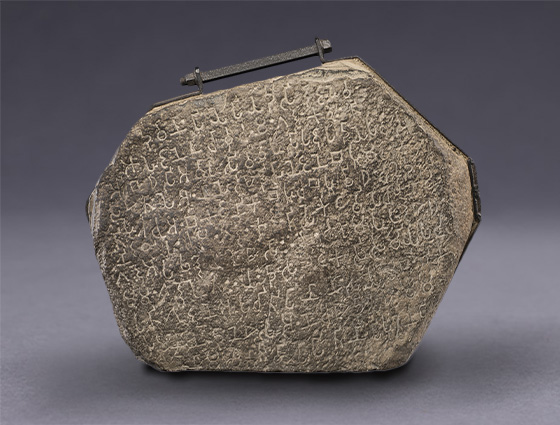
These inscriptions were primarily intended for elites—administrators, priests, and educated classes—who could read and interpret them. In India, Ashoka’s edicts were written in regional scripts and languages to reach broader audiences, including local officials and possibly literate commoners. In China and Iran, inscriptions reinforced imperial authority and divine legitimacy, often placed in prominent public spaces. While many people couldn’t read them, their visibility and symbolism conveyed power, justice, and divine favour—messages understood even by the illiterate.
Do Empires Need Wars?
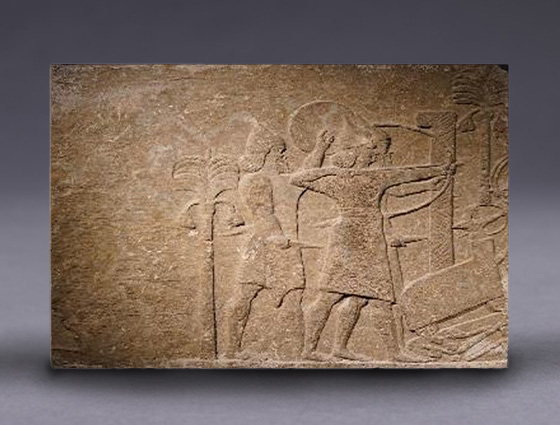
Power has long relied on military strength. Organising and supplying armies shaped ancient societies, economies, and politics. Warfare spurred innovation in weapons, transport, and communication, often demanding higher defence spending. Rulers showcased military might—from palace reliefs to parades—to intimidate enemies and gain domestic support. Ancient states invoked divine approval for war; in Greece and Rome, even wisdom deities had martial roles, reflecting how knowledge itself could be weaponised to justify and wage war.