
The Mediterranean: Civilisations of Land and Sea
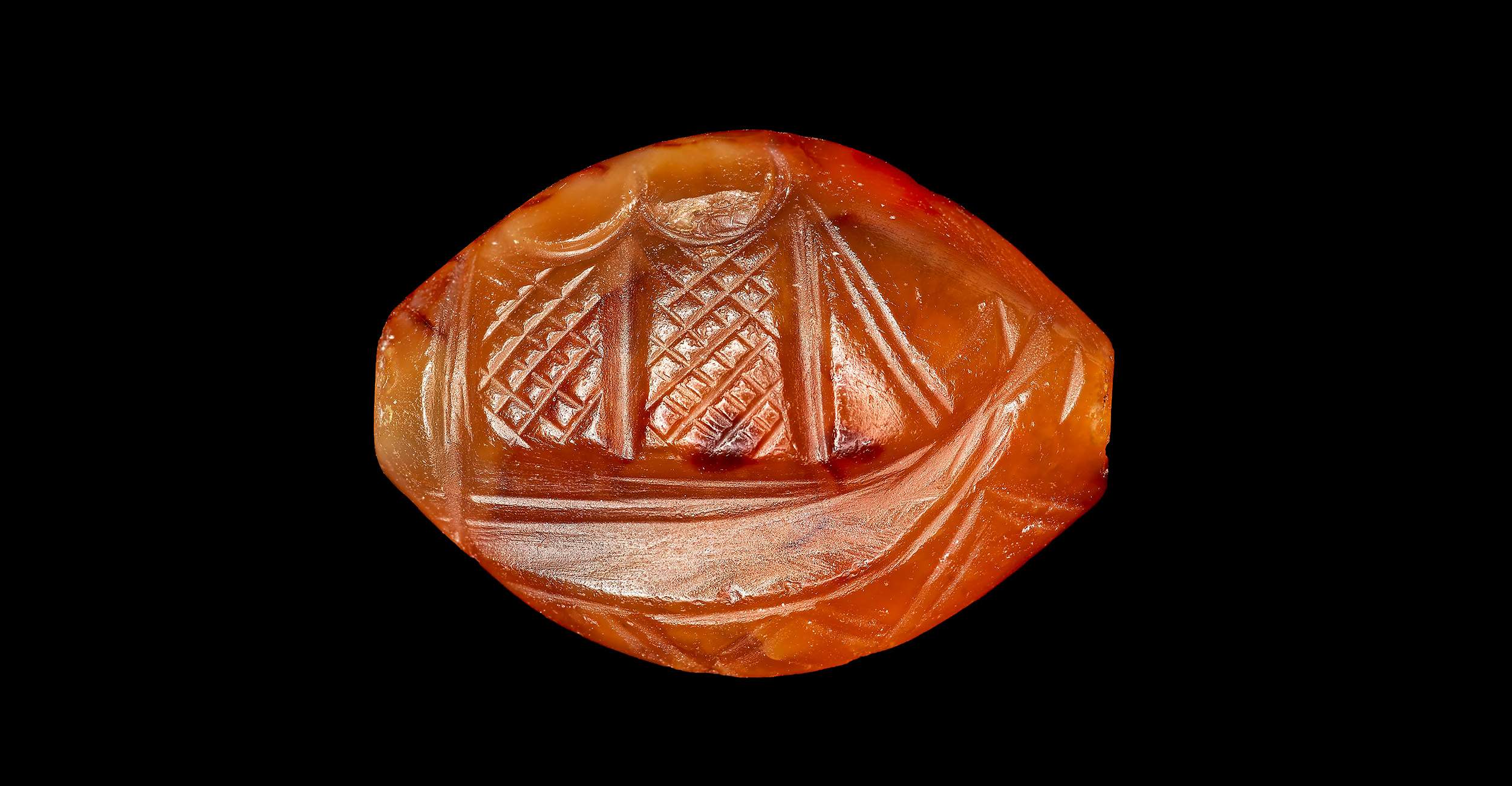
The Mediterranean and Black Seas enabled trade and cultural exchange in a warm, fertile climate. Phoenicians from Lebanon founded colonies, while Minoans and Mycenaeans began Greek traditions. Greek city-states like Athens flourished in arts and democracy. Alexander the Great united Greece and expanded east to India. Rome rose from a city-republic to dominate Italy, Europe, and the Mediterranean. The Roman Empire endured for centuries, with its eastern half surviving until 1453, shaping law, governance, and culture across regions.
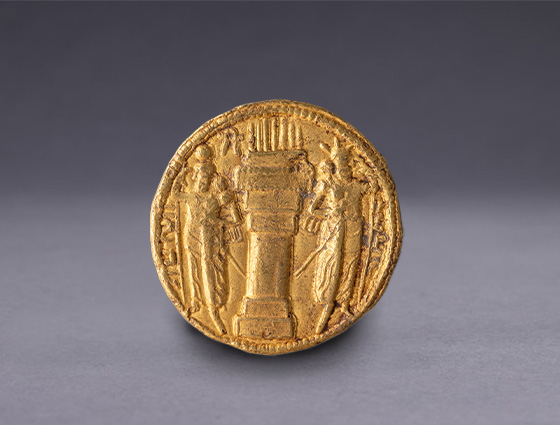
Persia – Ancient Iran
The Persian Empire, founded by Cyrus II around 550 BCE, spanned from the Mediterranean to China. It relied on royal roads, not rivers, and appointed satraps to govern provinces. Trade brought wealth, and rulers respected local cultures, calling themselves “King of Kings.” Alexander conquered the Achaemenid Empire around 330 BCE, leading to Graeco-Iranian kingdoms linked with Ashokan India. The Parthians rose around 250 BCE, followed by the Sasanian Empire, which ruled Iran and Mesopotamia from 224 to 651 CE.

Ancient India: 6th Century BCE to 5th Century CE
Between 321 BCE and 550 CE, India saw empire-building, cultural fusion, and flourishing trade. The Mauryan Empire unified the subcontinent under Ashoka, followed by the Gupta Empire’s golden age in art and science. Southern dynasties like the Cholas thrived during the Sangam Age. Jainism, Buddhism, and evolving Hinduism shaped thought. Foreign influences enriched politics and art, seen in stupas and cave temples. Coinage and trade linked India to West Asia, Southeast Asia, and the Mediterranean, supported by merchant guilds.